
A first-hand account – part 2
Read here part 1.
On November 28th, 2023, at 6 a.m., I was one of the only people awake in the house. I was eating a pear. Most people were sleeping when the police arrived. The pear was left on a cabinet, half eaten. Three and a half months later, after the seizure on the house was lifted, a friend went to pack up my belongings and send them to me. When she opened the door, the pear was still there. Rotten. Covered in flies.
Harsh reality
I had been awake for almost 20 hours when they handcuffed me. I liked the quiet of the night, which was good for practicing yoga. Around 6 a.m., I was just getting ready to rest. I didn’t know then that sleep would not come easily for a long time after that.
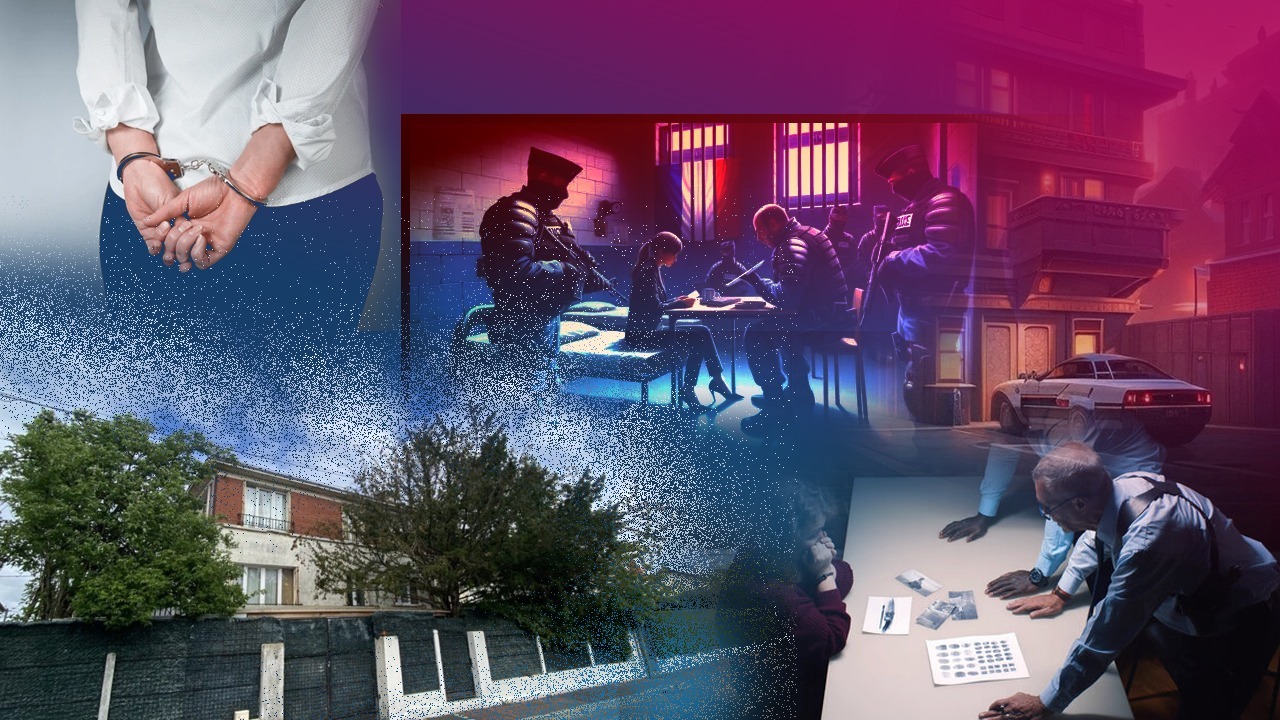
I was hit, handcuffed, and kept in the cold wearing pyjamas. They read out the accusations to me that sounded like something from Kafka. I saw my life flashing before my eyes. I was present, I noticed everything that was happening, I felt, I thought. I was shaking but at the same time, I felt stuck, and somehow, I didn’t believe that what was happening was real. It was a nightmare that had no end.
I was in handcuffs, then I was in a cold cell. At first alone, then with three other women. I knew all of them, and that helped but also didn’t help. I wasn’t alone, but I saw the same fear in their eyes. Many hours of questioning followed. Then I was back in the cell again. I ate, almost by force, a meal that was partly frozen and partly hot.
We lay down to sleep. I knew I had to sleep. Slowly it became quieter. Fewer doors were slamming; fewer footsteps echoed in the hallway. The girl next to me started to snore softly. In that silence, I finally understood what was happening. This was REAL! I was in prison and those who abuse power can go as far as they want.
I knew this, because I had seen it before, in Romania, in 2004. I began to think that maybe I would stay here for a long time. Maybe I would stay here forever. I wanted to cry, but I told myself: Don’t cry. Not now. If you start, you won’t be able to stop.
They already had a conclusion
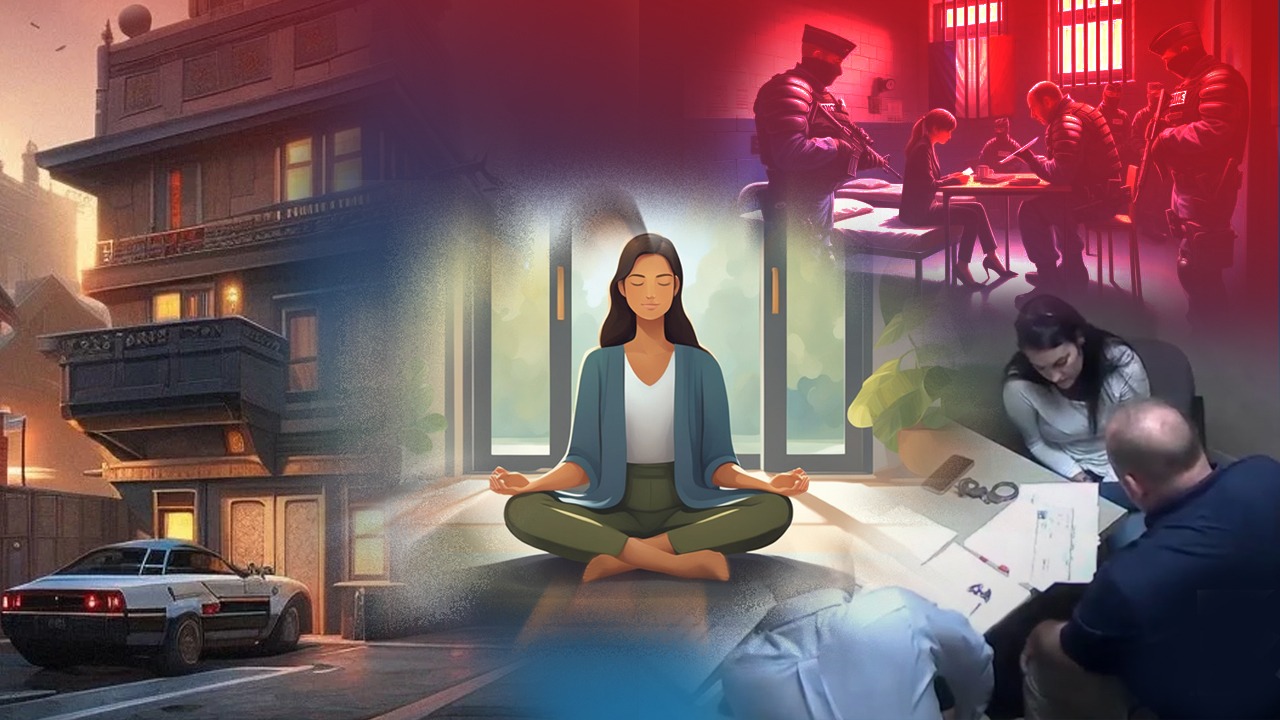
On the second day of my detention, they took my fingerprints and DNA samples. It was nothing like in the movies. It was a small room, two police officers, routine procedures.
When I walked in, one of them said to the other: “Hey, be careful, she’s a journalist, watch what you say.” I had told the investigators this about myself on the first day of questioning. I was surprised they knew.
Every day had its own interrogation. The interrogations were filmed. I had a translator. A policewoman, the same one who hit my shoulder, read questions from a form and wrote down my answers. The other officer stood in my line of sight and made faces at everything I said.
They asked me if I had sex for money. If I had been forced to do humiliating things. If something had happened to me that I would be ashamed of.
I answered truthfully – that I had practiced yoga for 20 years, that I had been a journalist, and that I was there by my own choice. Their reaction was almost laughter. As if what I was saying was obviously a lie.
Even though they seemed informed, they really weren’t. They asked if I knew that Bivolaru was convicted in Romania for abusing minors. I told them that this was not true at all and that I knew the legal case in Romania very well.
It was clear to me that they were not looking for the truth. They were trying to build a story that would justify their brutal actions. They already had a conclusion.
Your will no longer exists
For me, the interrogations were, let’s say, easier. One of the girls in the cell was interrogated for 10 hours. When she came back, she was unrecognizable. She moved slowly, spoke with difficulty, and her eyes looked empty.
She told us she was falling asleep on the chair while talking to the officers, and they would get angry and shout at her. The threats had been cruel and personal. Because she refused to sign anything.
I never truly understood before – no matter how many books I read or films I watched – that such detention means losing control over the smallest things in your life.
You can’t go to the toilet when you want.
You can’t drink water when you’re thirsty.
You can’t sleep when you’re tired, because the lights never turn off and the noise never stops.
You don’t know what time it is.
You don’t know what day it is.
You don’t know what’s happening outside, with your friends, with the people who love you.
You don’t know what will happen to you tomorrow.
Your will no longer exists.
Maybe you’ll read this and say: “It was only two days…” That’s true. There are people who spend years in detention. But two days were enough for me to understand what it means to no longer be free.
I was angry. I had done nothing wrong. Nothing illegal. Nothing immoral. And yet I was under arrest.
My sleep didn’t return to normal for more than a year. I could only fall asleep after 6 a.m. I would wake up at any noise. I dreamed about the cell, that artificial light, doors slamming, the police, the investigation.
If I saw a police officer on the street, I would freeze. Sirens would paralyze me. Strong lights – even Christmas decorations, red and blue like police lights – made me feel a knot in my stomach.
I couldn’t be touched without flinching. I lost 5 kilograms in 4 days. My hair started turning gray.
This is the second article in a series of three about the events of November 28, 2023. The true story that you will not find in the press.