

There Is Always An Agenda
In modern societies, the idea that mass media functions as a purely objective observer of reality is increasingly questioned. While journalism has traditionally claimed neutrality and a commitment to truth, many analysts and media consumers now argue that complete objectivity is more of an ideal than a reality. Contemporary media landscapes are complex systems shaped by political interests, economic pressures, editorial policies, and cultural assumptions. As a result, news coverage often reflects particular agendas, whether explicit or implicit.
One of the most significant influences on media narratives is politics. Media institutions operate within political environments where alliances, ideological orientations, and power structures can shape editorial choices. Certain outlets may support specific political actors or policy positions, while others position themselves in opposition. Even when journalists aim to report fairly, the selection of topics, the framing of issues, and the choice of experts or commentators can subtly guide audiences toward particular interpretations.
Audience targeting also plays an important role. In a competitive media market, organizations often tailor their content to appeal to specific demographics or ideological communities. This strategy helps build loyal audiences but can also encourage selective storytelling. Stories that reinforce the beliefs or emotions of a target audience may receive more attention, while others are downplayed or ignored. Over time, this dynamic can create echo chambers in which audiences are exposed mainly to perspectives that confirm what they already think.
Editorial direction further contributes to this phenomenon. Every media organization operates according to certain editorial guidelines, priorities, and values established by its leadership. These guidelines influence which topics are considered newsworthy and how they are presented. The result is that different outlets may report the same event in strikingly different ways, emphasizing different facts or interpretations.
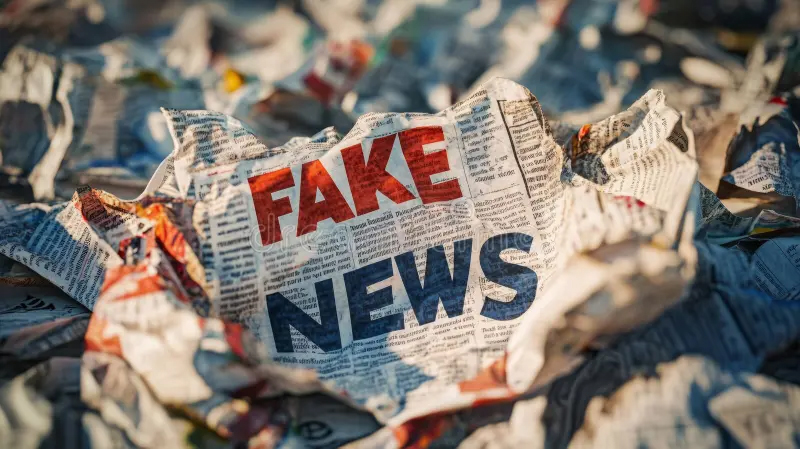
The Lens of Suspicion and Sensationalism In Case of Spiritual Movements
Another factor is the presence of prejudgments about certain social groups. Media narratives sometimes rely on stereotypes or simplified representations when covering particular communities. These prejudgments can affect the tone and focus of reporting, shaping public perception in ways that may not fully reflect reality. Spiritual movements and spiritual leaders, for example, are often portrayed through the lens of suspicion or sensationalism. Rather than examining such topics with nuance, media coverage may highlight controversy, conflict, or unusual elements that attract attention.
In addition, media organizations may feel pressure—whether direct or indirect—to support established authorities. Governments, corporations, and other powerful institutions can influence public discourse through access to information, official statements, or strategic communication campaigns. Journalists often rely on these sources, which can lead to narratives that align more closely with institutional perspectives than with independent investigation.
Every journalist brings their own experiences and biases to the story.
This does not necessarily mean that journalists deliberately distort the truth, or at least not always. There still are professionals in the field committed to accuracy and ethical reporting. However, the structural forces surrounding modern media make neutrality extremely difficult to achieve. Choices about what to report, how to frame events, and whose voices to include inevitably shape the story being told.
For this reason, media literacy has become increasingly important. Readers and viewers benefit from approaching news critically, comparing multiple sources, and recognizing that every narrative may contain underlying intentions. Understanding these dynamics does not mean rejecting journalism altogether; rather, it encourages a more informed and reflective engagement with the information that shapes public opinion.
How to avoid being misled by hidden media agendas
- Cross-check multiple sources – Don’t rely on a single outlet; compare how different media report the same story.
- Identify framing and language – Watch for loaded words, sensationalism, or selective emphasis that guide your perception.
- Recognize biases – Consider the political, economic, or cultural perspective of the media source.
- Look beyond headlines – Read the full story carefully; headlines often oversimplify or exaggerate.
- Question omissions – Ask what’s not being reported and why certain facts or voices might be excluded.